
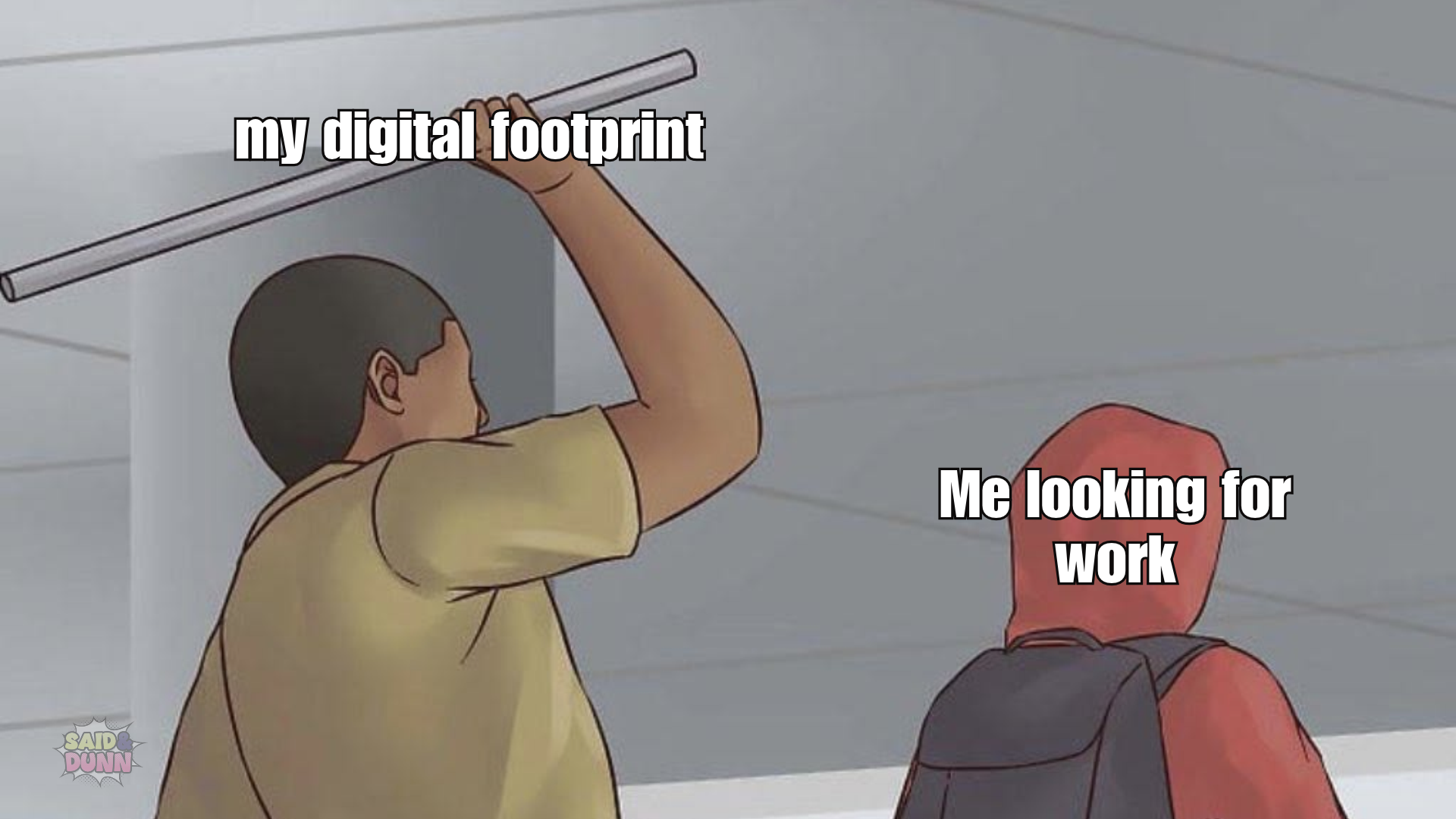
I blocked a handful of people this week. And no, it wasn’t even because of politics. It was because every single thing they posted was a complaint. I LOVE a good discussion, especially the kind where people actually connect in the comments and work something out together. But vague generalizations about the job search, tossed out just to rile people up, don’t help anyone. And truthfully, they don’t make the person posting them look great either.
Free speech doesn’t mean free of consequences, and that’s always been true.
Civil rights leaders and activists all over the world paid the highest price for what they believed. Job seekers obviously aren’t putting their lives on the line by posting on LinkedIn, but the principle still applies. When you use your voice in public, there can be fallout.
The difference now is that everyone has a front-row seat.
Employers, customers, coworkers, clients, competitors, and total strangers who found you through somebody’s repost can all see what you share. And when your name comes across a hiring manager’s desk, a lot of them are going to look you up before they ever pick up the phone. The impression gets made before you have a chance to make one yourself.
I learned this firsthand.
Back when I was the customer service manager for a place, my staff was overwhelmed, so I posted our cashier opening in a Facebook group for my city. I was barely using social media at that point and was honestly terrified of posting at all, but I wanted to get my team some help. Then the comments lit up with people saying the job didn’t pay enough, which was not something I could control. Eventually, HR contacted me and told me to take the post down.
I didn’t want to just delete everyone’s comments, because it felt wrong to “silence” people in my own community, so I lightly pushed back on a few of them. Some other people even came to my defense and told them to scroll on if the job wasn’t for them. I didn’t get in trouble per se, but it sure felt like it, and it changed how corporate viewed me. My intention was completely pure, and it still didn’t matter.
Looking back, I would have handled it completely differently, starting with not making that post without approval in the first place. At the time, though, I just wanted to help my staff.
And that was just a post about a cashier job.
So what do you actually need to watch out for?

Politics
Sharing what you believe can feel like part of being authentic online, and I get that. But it can quietly close doors. A hiring manager who disagrees with you might pass on your application even if you’re qualified for the job. A company that stays out of politics on purpose might see your posts as a liability, because they’re worried customers will assume the company shares its employees’ views. It doesn’t always matter if your post was thoughtful or respectful, either. Sometimes the presence of politics on your profile at all is enough to take you out of the running. Is that fair? Not really. It still happens.
Dark or crude humor
Plenty of us love a dark joke, and I’m literally known as LinkedIn’s Meme Lady, so I am not about to tell you to stop being funny. The risk shows up when your profile is tied directly to your employer. Once your name and your company are sitting side by side, every post reflects on them too. A joke that feels harmless to you can read as offensive to someone else, and that offense doesn’t stop with you. It lands on the company you represent. Most employers would rather pass on a candidate than risk their brand getting connected to content that turns customers away, even if the joke was really good.
Oversharing
There’s a fine line between being real and being too much. Talking about what you’re struggling with can make you relatable, and that’s a good thing. But posting details about fights with your spouse, family drama, or certain medical issues crosses into oversharing. To an employer, that can raise a question about what else you’d share, like confidential work information. Even if you would never do that, perception is powerful, and hiring managers tend to avoid candidates who feel like a risk.
Complaints and negativity
This is the one that got people blocked from my feed. It’s normal to vent when the job search is exhausting or when a job was rough. But constant negativity, dragging former employers, mocking interviewers, and complaining about recruiters (hi) leaves an impression. When there’s no insight or resolution behind those posts, they usually come across as bitter, even when the frustration is completely valid. Employers want to hire people who run into problems and try to solve them, and a feed full of nothing but problems makes it really hard to see that side of you.

So what are your options?
If every word online carries weight, you have to decide how you want to carry it. Do you filter yourself, or do you post what you want and deal with whatever comes with it? There isn’t one right answer here, but there are a few realistic ways to go.
Filter yourself. This is the safest route, especially if you’re in a client-facing or public role. Keep your online presence professional, share mostly neutral content, stay out of controversy, and be picky about what you like, comment on, or follow, since all of that shows up too. Nobody will have a reason to question your professionalism. The trade-off is that your presence can feel less like you, and you might miss out on connecting with people on a more personal level.
Be yourself, but privately. Privacy settings exist for a reason. You can lock your personal accounts, post under a variation of your name, or just not list your employer. A lot of people use their initials or middle name in place of their last name so their content is harder to trace back to them. That lets you say what you want without it automatically tying back to your professional identity. Just know privacy on the internet is never perfect. Screenshots, shares, and accidental connections still happen.
Be yourself and let the right employers find you. This is the boldest option. You post authentically and trust that the employers worth working for will respect it. Share your thoughts, your humor, and your perspective, and use some common sense while you do it. If a company sees your content and still hires you, you know they’re comfortable with how you show up online. It carries the most risk, but it can also be the most rewarding, because the opportunities you attract fit who you are and not only what you can produce.
For what it’s worth, the people I blocked weren’t wrong that job searching is hard. It is. I just didn’t want my feed full of complaints that never went anywhere, and if one person scrolling reacts that way, a hiring manager can too. (The block button is still your BFF, by the way. I wrote a whole thing about letting negative comments roll off your back if you’re dealing with the other side of this.)
Post what you want to post.
Just know people are always watching, and make sure what they’re seeing is something you’re okay with.
Wait, what is this blog?
Hiring. Social media. Internet culture. Gaming.
Long ago, these four topics coexisted peacefully. Then everything changed when I started a blog full of memes.
Subscribe to Said & Dunn to get new articles sent straight to your inbox. No algorithm required.
Discover more from Said & Dunn
Subscribe to get the latest posts sent to your email.