
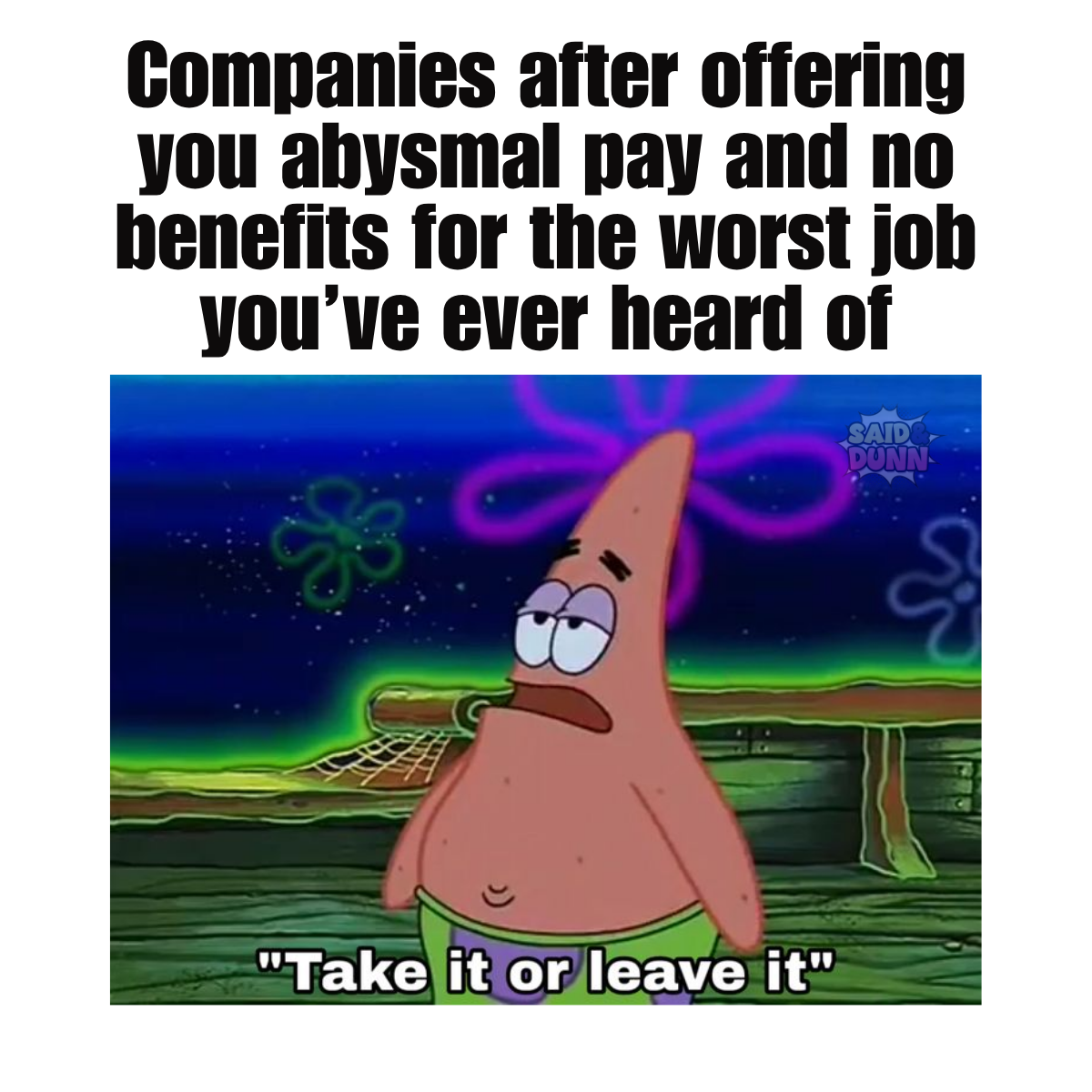
I saw this post on Reddit recently from someone who left a Zoom interview in the middle of it because they realized there was no chance they would work for the company.
The interview didn’t exactly start off strong. One interviewer joined and immediately asked them to wait while he made a phone call. Another interviewer joined later, neither interviewer had their camera on, and eventually the candidate decided they had seen enough. They hit the leave button.
Now, would I recommend just disappearing from the call without saying anything? Probably not.
But leaving an interview early because you’ve already decided you don’t want the job? I don’t think there’s anything wrong with that.
Sometimes You Know Before the Interview Is Over
Candidates are constantly reminded that they need to make a good impression during an interview, but the company is making an impression too.
Sometimes the job you hear about during the interview isn’t the job you thought you applied for. Sometimes you ask a question and really don’t like the answer. Sometimes it’s the way the interviewer talks about their employees, how disorganized the process has been, or an interaction with someone you’d be working with that makes you think, I don’t want to work here.
You’re interviewing the company just as much as they’re interviewing you.
If something comes up that you know doesn’t align with what you want or what has worked for you in the past, you don’t have to ignore it just because you’re already on the call.
The hiring process can also tell you quite a bit about how a company operates. That doesn’t mean one rescheduled interview automatically means the entire organization is a disaster.
But if the process is consistently disorganized, nobody seems to know what’s going on, or you’re being treated like your time doesn’t matter, it’s time to consider whether that’s something you want to sign up for every day.
So… Can You Just Leave?
Yes, but I probably wouldn’t recommend doing it the way the person in the Reddit post did.
If you already know you aren’t interested in moving forward, be upfront about it. You can say something as simple as:
“Thank you for taking the time to meet with me. Based on what I’ve learned about the role today, I don’t think this is the right opportunity for me, so I don’t want to take up any more of your time.”
You don’t owe them a detailed explanation if you aren’t comfortable giving one.
They might ask why you’re no longer interested, and you can absolutely tell them if you want to. But if you don’t want to get into it, thank them for their time and end the interview.
You also don’t have to sit there while someone spends the next 15 minutes trying to convince you that the thing you just said doesn’t work for you actually will work for you.
You’ve made your decision. You’re allowed to leave.
Walking Away From a Job Is Hard

I think this is especially hard right now because finding a job isn’t exactly a quick process for most people.
You might have applied to dozens of jobs just to get this interview. Maybe you’ve already had multiple interviews with this company. Maybe you’re unemployed and really need something. The closer you get to an offer, the easier it becomes to start moving the boundaries you set at the beginning of your search.
Suddenly something you said was a dealbreaker three weeks ago becomes something you could probably live with.
And sometimes you do have to compromise. There probably isn’t a job out there that is going to check every single box.
But there’s a huge difference between accepting that a job isn’t perfect and talking yourself into something you already know isn’t going to work.
If you’re in a position where you can walk away, it might save you from accepting the job, being miserable for three months, and ending up right back where you started.
So after you leave the interview, reward yourself for doing something uncomfortable. Seriously.
You recognized that something wasn’t right and actually listened to yourself instead of continuing because you felt like you had already come too far to stop.
Try to Catch the Problems Earlier
You’re never going to know everything about a company before interviewing there, but you can do some research beforehand.
Check Indeed, Glassdoor, Reddit, or anywhere else people are talking about their experiences with the company. Look at reviews from employees, but also look for people talking about the interview process itself.
One bad review doesn’t tell you much. People can have completely different experiences at the same company. But if you start seeing the same complaints over and over again, that’s something I’d keep in mind going into the interview.
And before you get too far into the process, figure out what your actual boundaries are.
What are you willing to compromise on? What are you absolutely not willing to compromise on?
It’s much easier to answer those questions before you’re sitting in a final interview thinking, Well… I’ve already made it this far.
Getting closer to an offer doesn’t make a job more aligned with what you need. And making it halfway through an interview doesn’t mean you have to make it to the end.
If you’ve already learned enough to know you wouldn’t accept the job, it’s okay to politely end the interview. You’re not wasting an opportunity. You’re deciding with the information the interview was supposed to give you in the first place.
Sometimes the interview ends with them deciding you’re not the right fit. But sometimes you’re the one who gets to decide first.
Related
Discover more from Said & Dunn
Subscribe to get the latest posts sent to your email.